Shipping, Fintech, E-com
This project saw me tackle and coordinating the design end of three massive Business Units and trying to achieve the goal of bringing in local pharmacies to sell their products on Mercado Libre.
Problem Framing
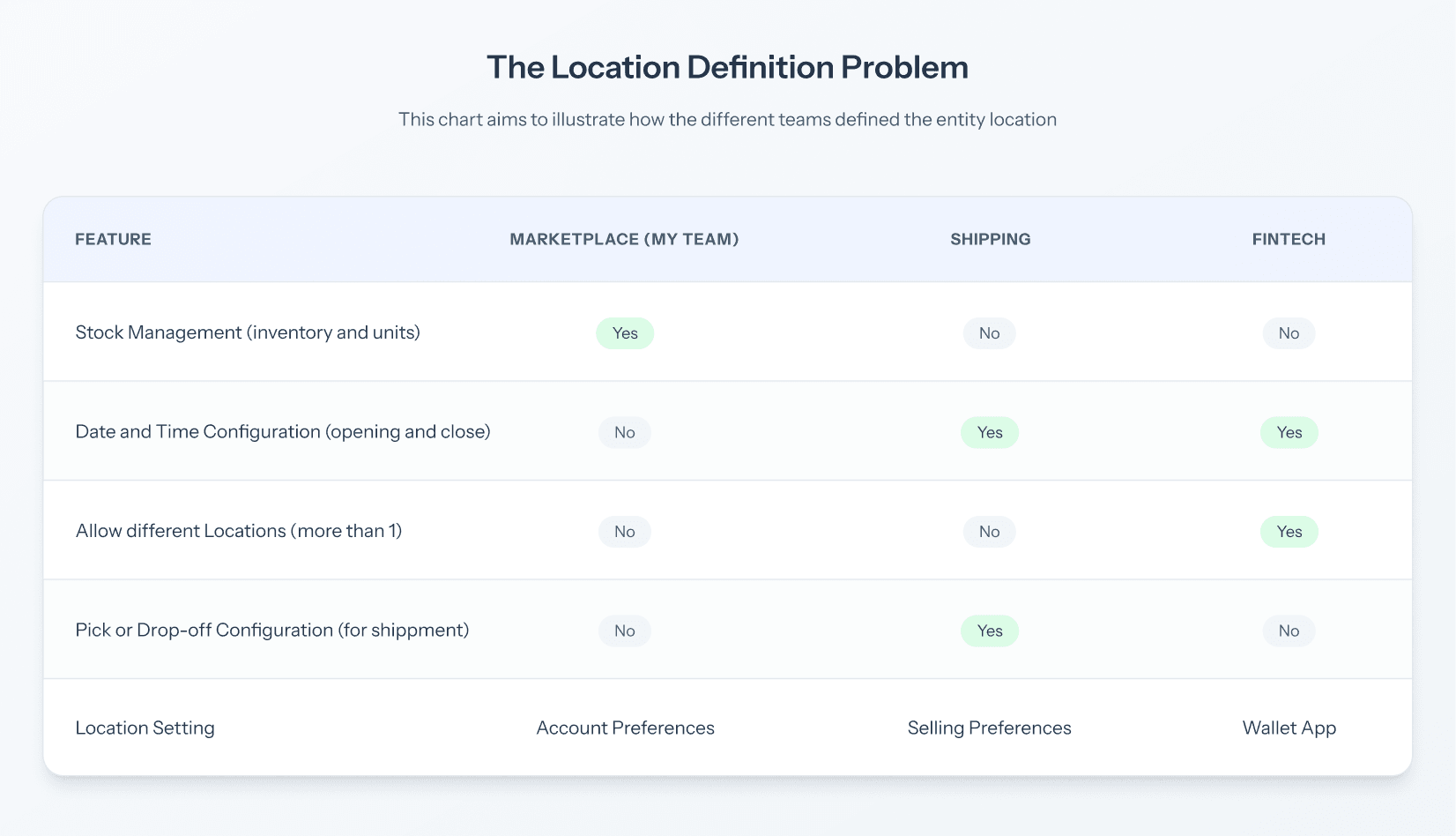
My approach to this project was that the roadblock to bringing in new pharmacies to start selling at Mercado Libre was an organization problem. Each team worked with different definitions of locations and didn't see the systemic approach until this point. The experience suffered from this: users needed to navigate different apps and pages to manage their business, ship orders or configure payments.
Strategy
I love diagrams to try to make sense of complex problems. This table aims to illustrate the difference between all the Business Units, and it helped negotiate our way through to a joint solution that didn't stepped on each other, but rather cleared the path to both users and business.
Design Approach
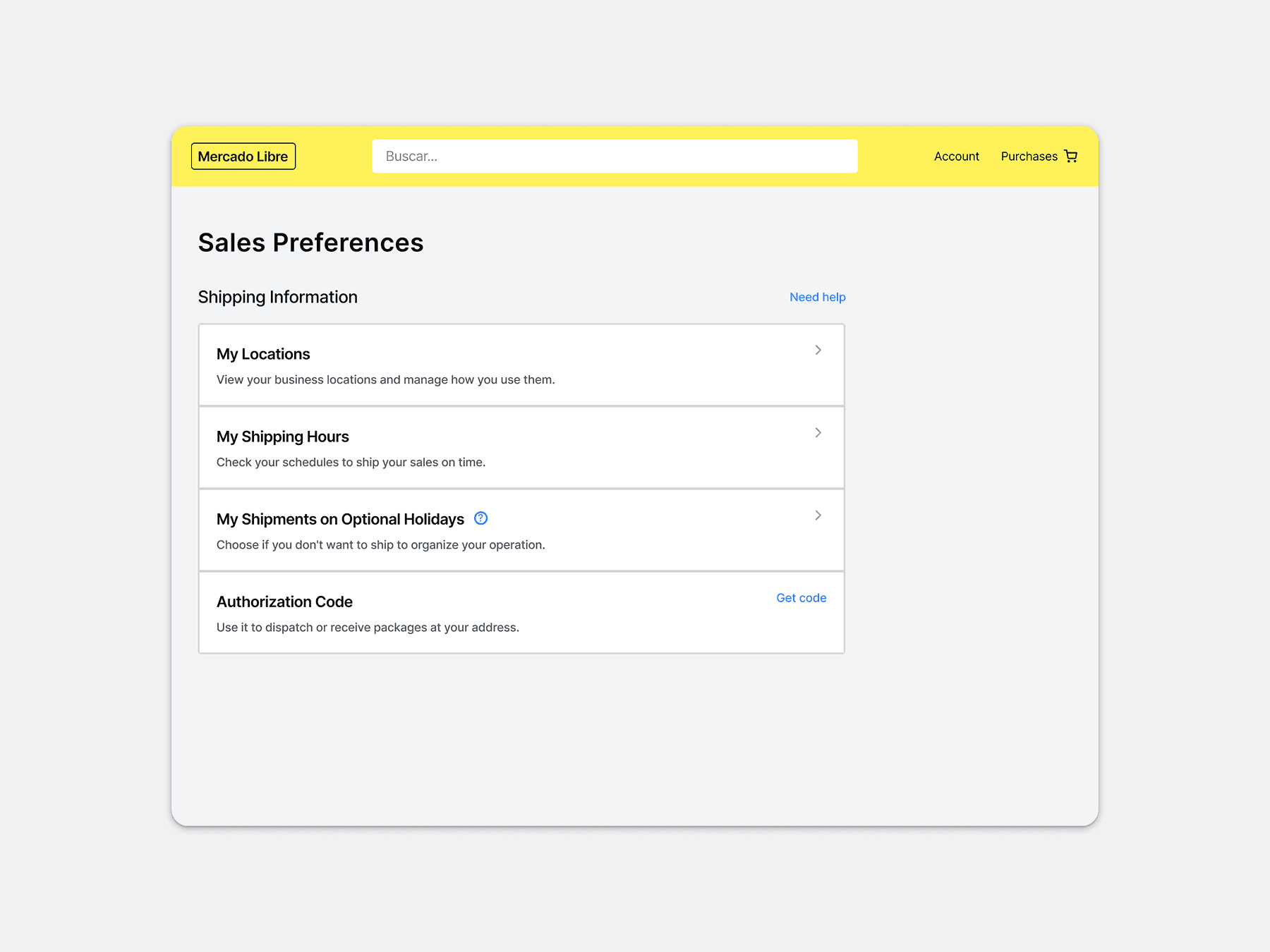
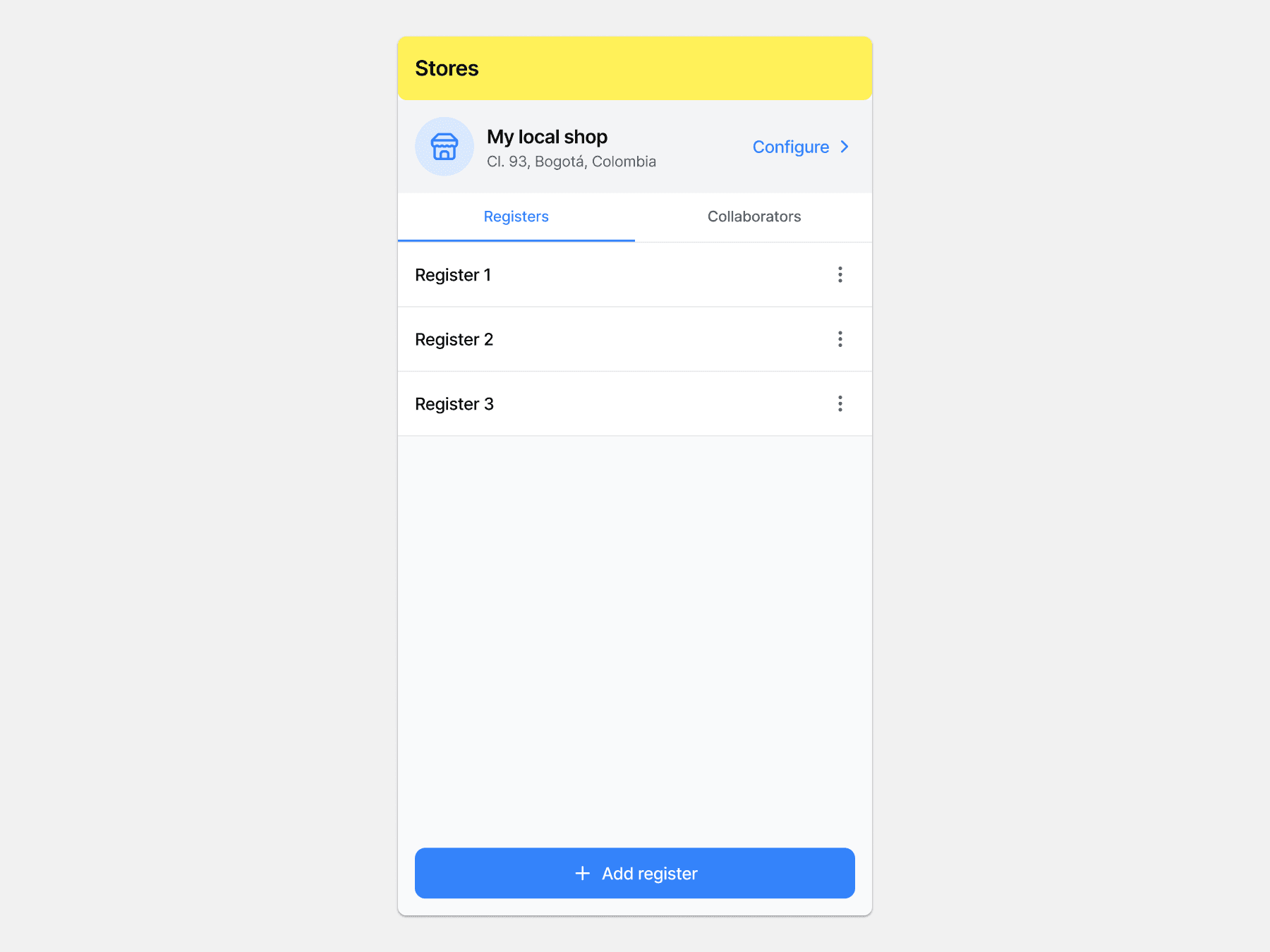
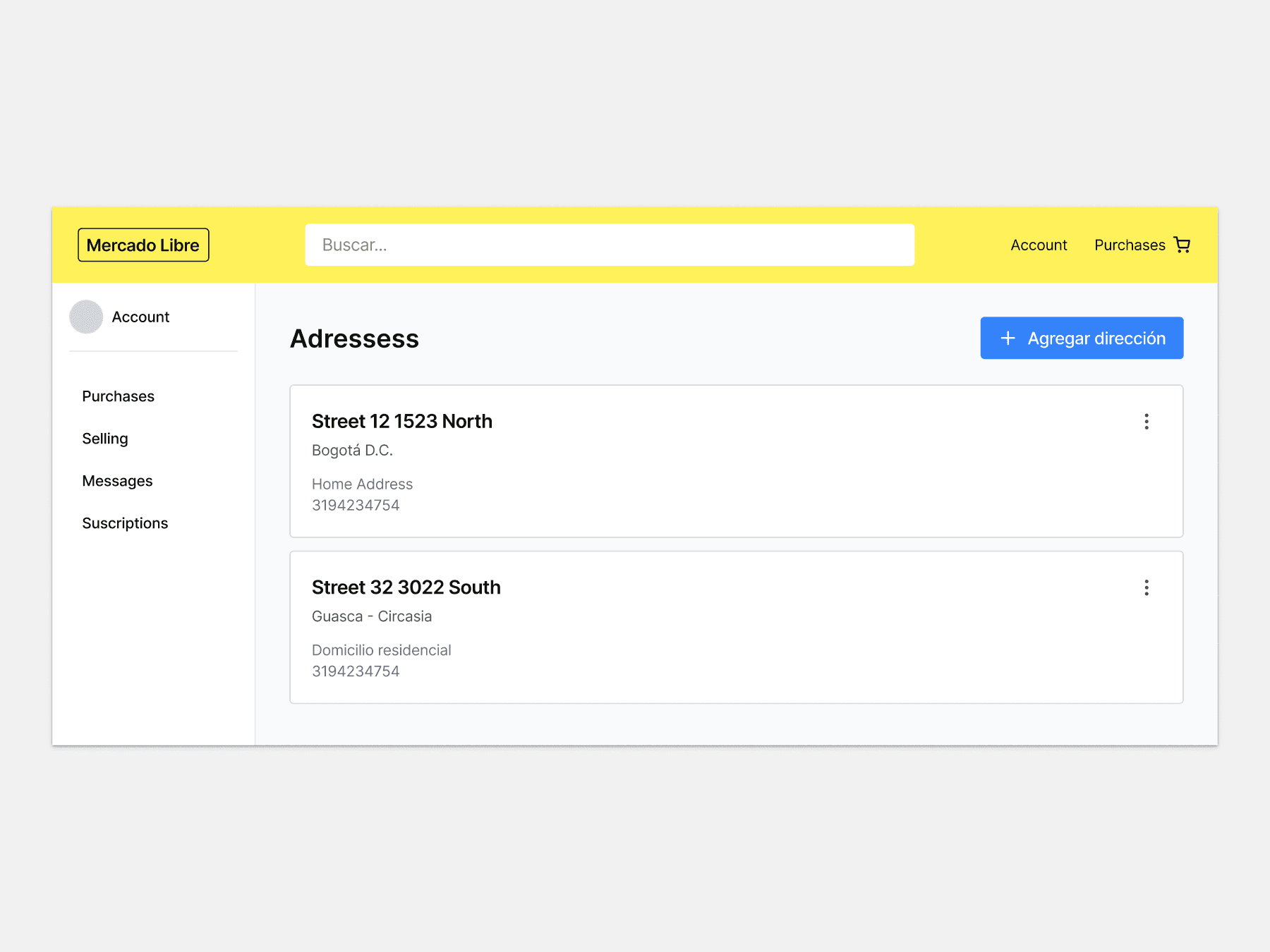
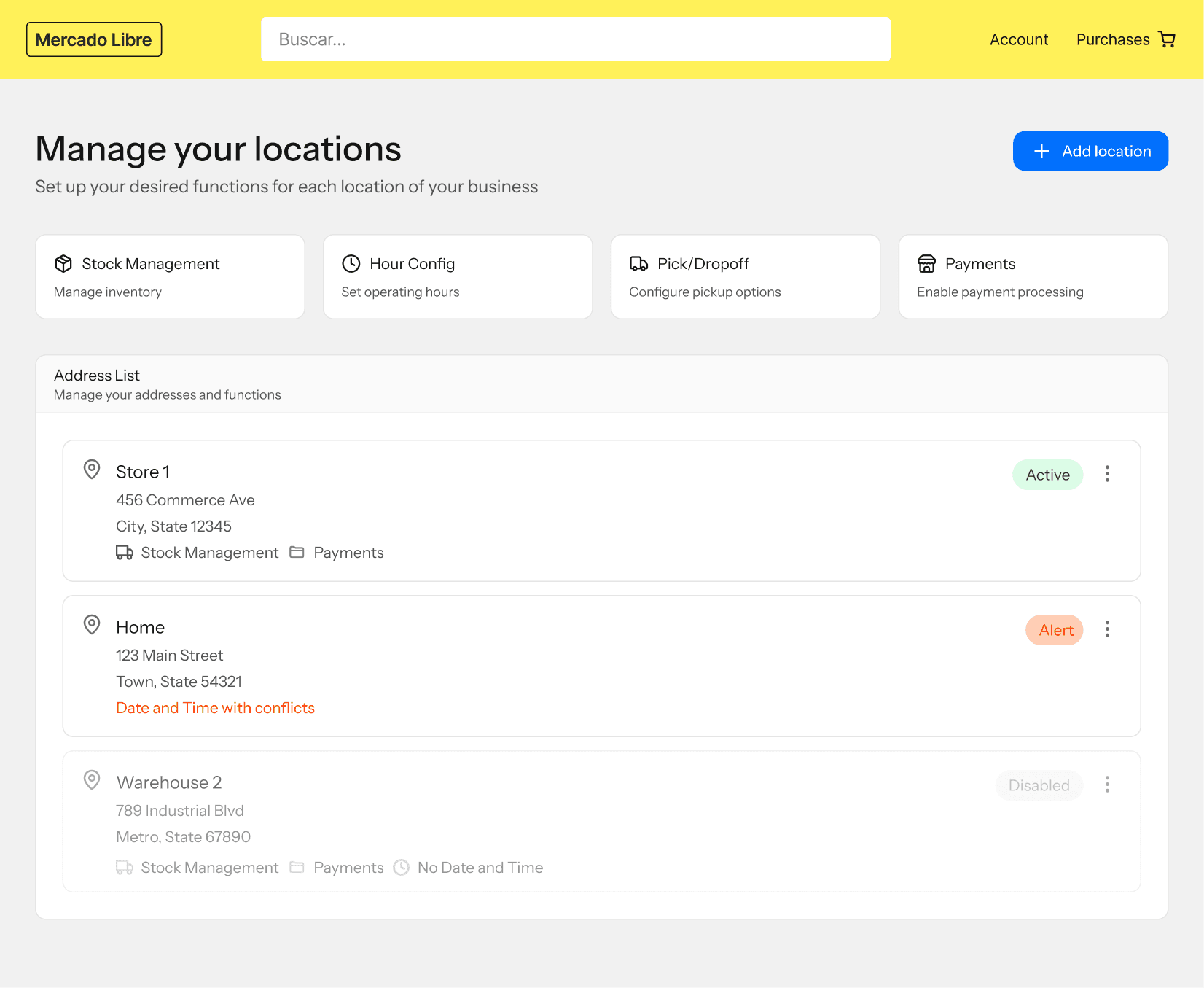
Instead of trying to change already solid user flows or jam in a bunch of features into those flows, we created a "train station": A Hub that, when needed and necessary, combines the locations' features so that the user can have a clear perspective.
Before
After
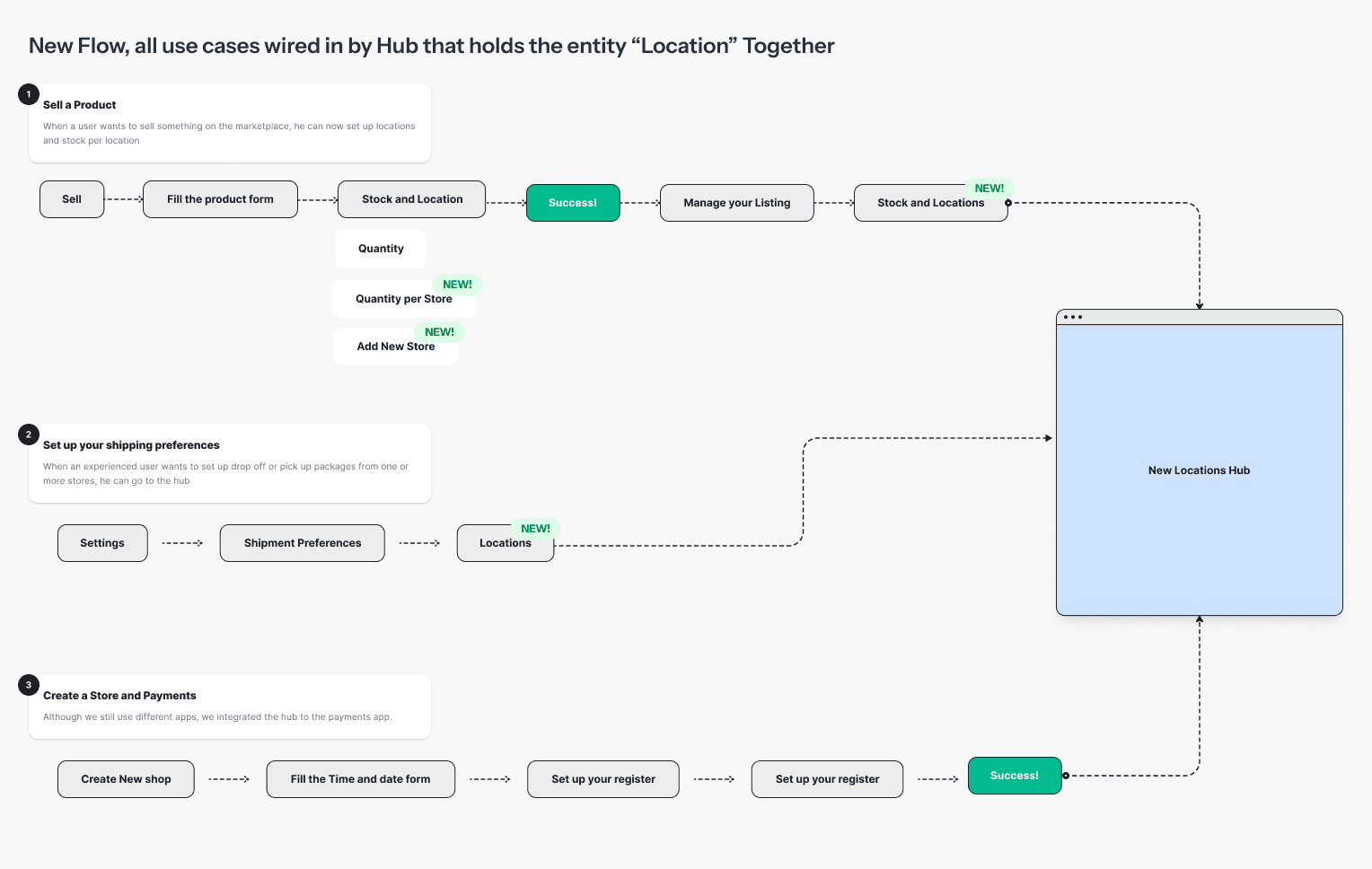
MVP of the solution
The new Hub converges all the use cases. 3 separate flows that. where redudants, now have a node that can connect them. This hub didn't delete the current flows of each BU, that still needed their independence and own governance.
Outcomes
Successfully onboarded 8 sellers in the pilot phase with zero major experience issues or complaints before broader rollout. Shipping and Fintech both reported growth in payment processing and delivery performance from opted-in locations. And we built a new team within the organization that understands all the locations entities.